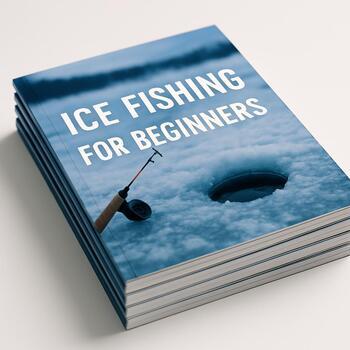
Pack in layers
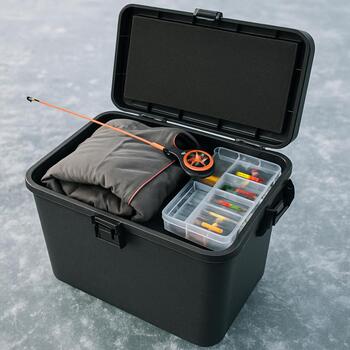
Clothing, tackle and food ride in separate clusters so you can fix only what went wrong.
Cold-school guides
These guides focus less on trophy shots and more on how you pack, walk and stay warm from driveway to drilled hole.
Turn each trip into a small routine: one way to load the sled, one way to set the shelter and one way to call it a day.

Essentials first
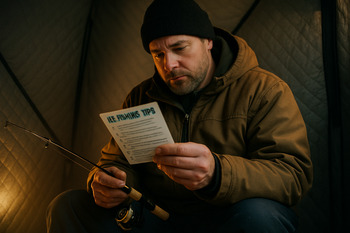
You do not need ten rules; you need a few that you actually follow.
Clothing, tackle and food ride in separate clusters so you can fix only what went wrong.
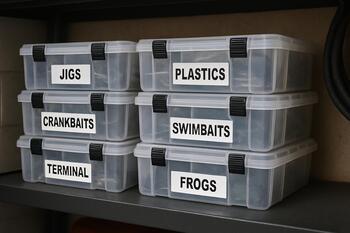
Ten boxes at most, printed on a card that lives in your hallway.
Keep a simple line in your head: how you get back if light or ice turns weird.

Ice scenarios
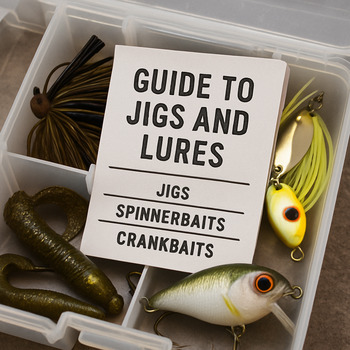
Pick the card that feels closest to your next day out and follow its simple pattern.
Alarm, coffee, one sled and one flat stretch of ice — back home before most people start their day.
Tent in the middle, slow walks between holes and a big thermos that never runs dry.
Light gear, short walks and more checks with the spud than with your phone.
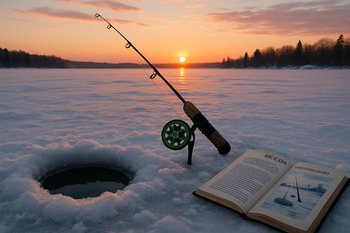
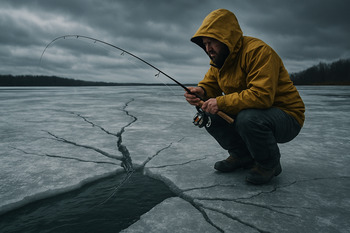
Safety ring
Gear is only useful if you stay on solid ice. These notes do not replace local knowledge, but they give you a quiet rhythm for checking every step.
Think in short loops: test, step, look back, and always leave yourself a simple way to retreat if something feels wrong.
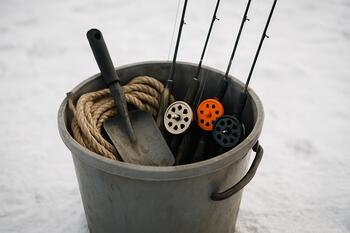
Walk single file with the lightest angler first. Tap ahead with a spud bar before every few steps and stay close enough to talk without raising your voice.
Keep float suit zippers shut and throw rope coiled on top of the sled, never buried under gear.
Ice often feels solid, which is when people relax too much. Keep the same habit of checking edges, inlets and pressure ridges as if it were first ice.
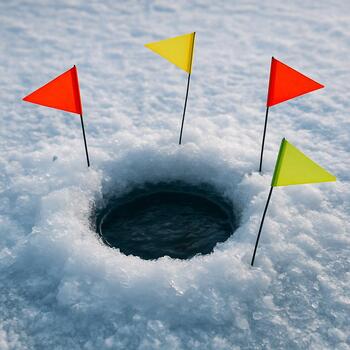
Mark your entry line with small flags or natural landmarks so walking out at dusk feels simple, not fuzzy.
Shorten your walk, lighten your kit and double the time you spend listening to the ice. If you feel nervous, you are probably already too far.
Plan trips when you can walk off in full daylight instead of stretching into last light “for just one more fish”.
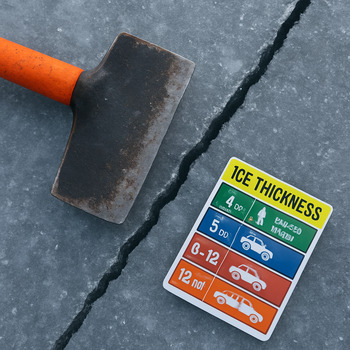
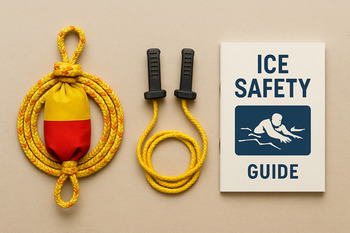
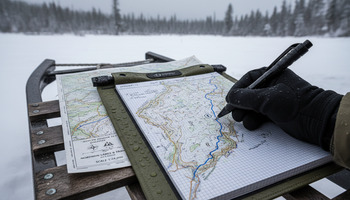

Route lane
Once the lake is flat and bright, shorelines, paths and even distance can blur. A few lines in a notebook keep the day from feeling like a guessing game.
Note one clear landmark where you step on the ice: a tree, dock, sign or bend in the shore.
Decide how far you are willing to walk before you even see the first hole, and stick to it.
Draw one simple arrow on the map that shows how you will walk back if fog, snow or tired legs kick in early.
Warmth rhythm
The goal is not to feel like you are sitting by a fireplace; it is to avoid big swings between hot and freezing.
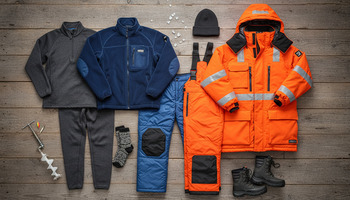
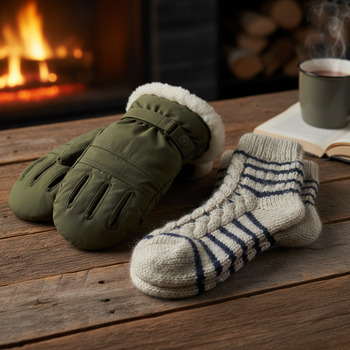
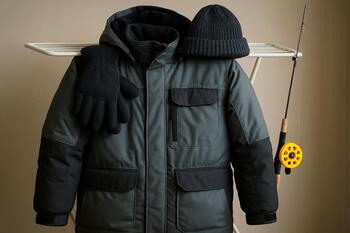
Dress in thin layers you can peel. Keep gloves and hat in the sled until you actually step on the ice to avoid sweating in the driveway.
Open jacket vents and unzip bibs slightly while you pull the sled. Close them as soon as you stop to drill or sit.
Keep one dry layer in a small bag. Swap into it halfway through long days so your core never sits in damp fabric.
Add a hat and zip everything fully before the last walk back. Let gloves dry and boots open once you reach the car or house.
Midday reset
A calm ten minutes halfway through keeps gear tidy and minds awake, especially on slow bites.
Shake snow off boxes and put everything back in its lane.
Change into dry gloves or a fresh mid-layer if you have it.
Run fingers down your main rod’s line and cut out any rough spots.
Hole rhythm
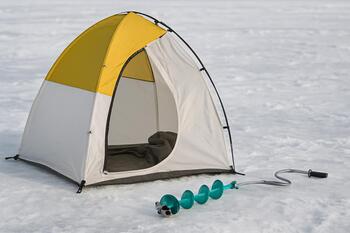
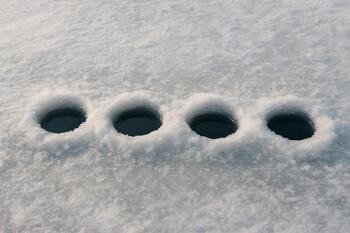
Clean spacing and a clear order make the ice feel less crowded and more readable.
Keep holes roughly in rows so you can re-walk them without guessing.
Use flags or small sticks where you see good marks or steady bites.
Kick slush back into dead holes so boots and sleds stay out of them.
Night signals
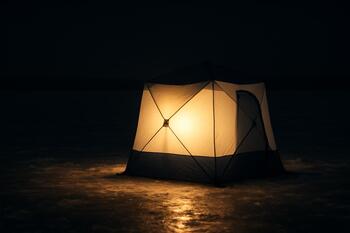
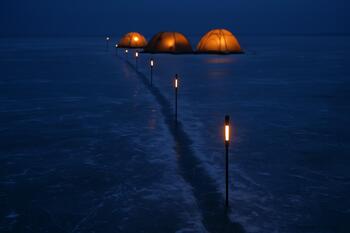
A few lights and reflective points keep you easy to spot without turning the lake into a stadium.
Place one main lantern low and slightly behind you to keep holes lit without blinding your eyes.
Add small reflective straps to sleds and tent corners so they pop under headlamps.
Pick a moment to pack up before you start, and stick to it even if fish are still biting.
When things break
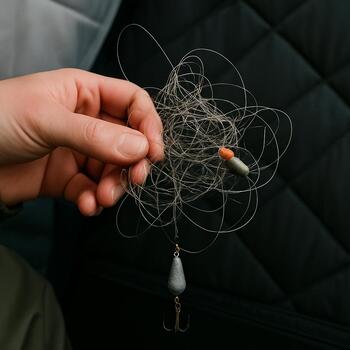
Snapped line, dead battery or a frozen reel do not have to end the day if you already know the next move.
Drop the rod in the sled, grab the spare combo and only then collect the mess. Fish first, knots second.
Switch to a fresh battery or hand drill and drill one new test hole before you keep moving.
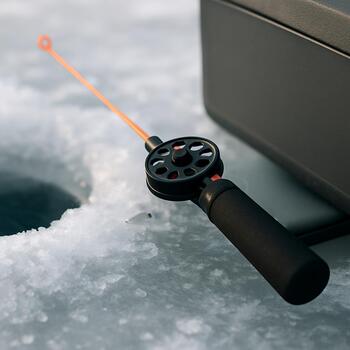
Swap to a dry reel, then open the stuck one inside the shelter where fingers still work.
Food lane
You fish better when your hands stay steady and your head stays clear.
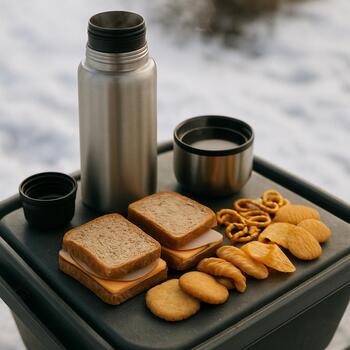
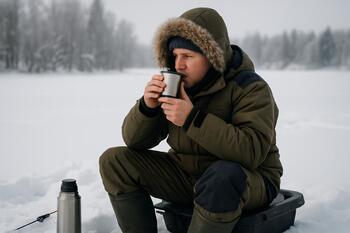
Small breakfast, hot drink in a thermos and one quick snack within the first hour on ice.
Ten-minute stop, a little real food and a few slow sips of water instead of chugging.
Light snack before the last walk back so the drive or ride home feels calm.
Quiet kids lane
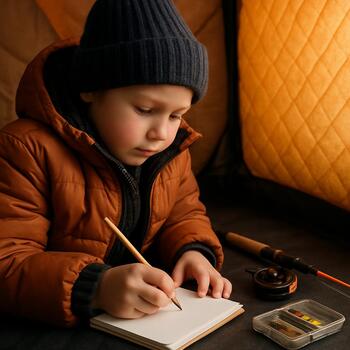
Kids remember how the trip felt more than how many fish came through the hole.
Plan a clear start and end time, even if fish are just starting to move.
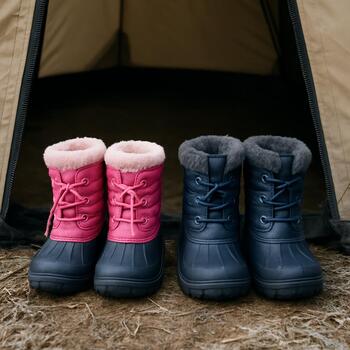
Pack one extra warm piece of clothing and one tiny treat they discover halfway.
Let them tap the ice, hold a card or mark a good hole with a flag so they feel part of the routine.
Logbook lane
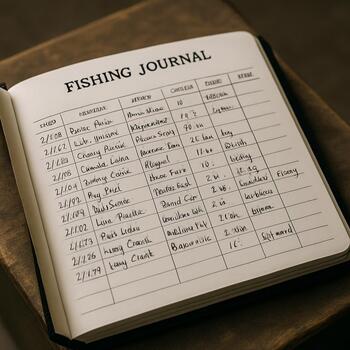
You do not need a novel after every ice day. A few short lines about weather, depth and how the day felt will already guide your next outing.
Note date, wind, air temperature and who came along.
Depth, lure you used the most and any clear pattern that showed up.
One sentence about what you would change next time, even on a great day.

Off-ice care
Ten calm minutes at home save thirty loud minutes of searching when the next bite window appears.
Hang suits and gloves where air can move instead of piling them in a corner.
Move stray lures, tools and snacks back into their labeled boxes while the trip is still fresh.
Note cracked plastic, tired line or broken zippers before you forget which day caused them.
Season shifts
The lake feels completely different in early, deep and last ice. Your patterns should move with it.

Short walks, light kits and more testing than drilling.
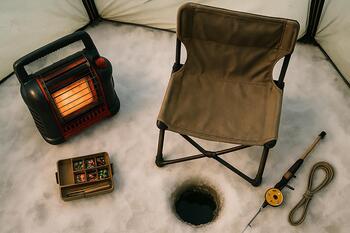
Longer days, more holes and a shelter that earns its space.
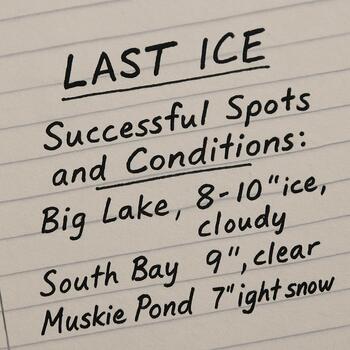
Closer to shore, lighter loads and clear limits on how far you go.
Reading the screen
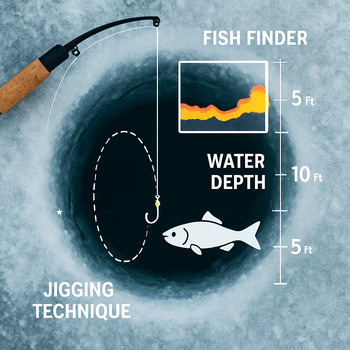
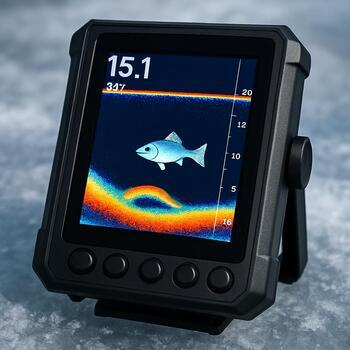
Electronics are helpful, but they make more sense when you link them to real snow, holes and wind.
Mark one rough depth where most marks show and note how far that is from shore.
If the screen stays empty, write down what looked different on the surface there.
Remember which direction the wind pushed your line when marks turned into bites.

Calm mind lane
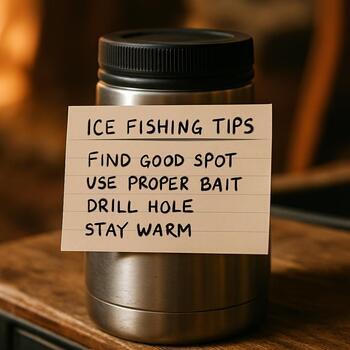
A few small rules written on paper help you keep your cool when fish, weather or people get messy.
Move, switch lure or change depth — but never all three at once.
If you feel rushed, step outside the shelter for three slow breaths and a quick look around.
Decide what will make you leave before you drill the first hole, not after.
Bundle the pages
Print the chapters that match your season, tape them by the door and let the routine do the heavy lifting.